
Therapeutic Workshops
Therapeutic Workshops with Genovieve Feasey
Sometimes it can be useful to step away from everyday routines and give yourself dedicated time to reflect, explore and connect.
My workshops provide a structured group environment where you can explore themes connected with self-awareness, emotional wellbeing, relationships and personal development. Depending on the workshop, we may use conversation, movement, creative activities, writing, mindfulness and other reflective approaches. Each workshop has its own focus, so you can decide whether the subject and format feel appropriate for you before attending.
About the Workshops
What are The Choice to Change workshops?
My workshops create space to explore a particular subject in more depth than you might during an ordinary conversation or presentation. Rather than simply listening to information, you may be invited to participate in reflective or creative activities. The workshop programme may include approaches such as:
- Movement
- Art and creative exercises
- Role play
- Reflective writing
- Voice work
- Visualisation
- Mentalisation
- Mindfulness
- Group discussion
The exact activities depend on the subject and purpose of each workshop. Participation is always explained clearly beforehand.
Why Attend a Workshop?
What might I get from taking part?
People attend workshops for different reasons. The purpose is exploration and learning rather than promising a particular personal or therapeutic outcome.
Time for reflection
Everyday life can leave little space to stop and consider what you are feeling, thinking or needing.
Greater self-awareness
Structured exercises may help you notice patterns, reactions or perspectives that you have not considered before.
A different way of exploring
Not everyone finds words alone the easiest way to reflect. Creative activities, movement or writing can offer different ways of engaging with a subject.
Connection with others
A group environment can give you an opportunity to hear different perspectives and recognise that other people may have similar questions or experiences.
Practical ideas
Depending on the workshop, you may leave with exercises, questions or practices that you can continue exploring afterwards.
What Happens During a Workshop?
What should I expect?
Each workshop is different, but a session may combine several types of activity.
-
01
Step 1: Introduction
I explain the theme, structure and expectations for the session.
-
02
Step 2: Individual reflection
You may be invited to consider a question privately through writing, observation or another reflective exercise.
-
03
Step 3: Group discussion
Where appropriate, participants may share thoughts or observations. You should not be expected to disclose personal information simply because you are taking part.
-
04
Step 4: Creative or experiential work
Some workshops may use movement, visualisation, art, role play or voice work to explore a theme in a different way.
-
05
Step 5: Practical reflection
We may look at what you have noticed and whether there is anything useful you would like to take away from the session.
-
06
Step 6: Closing
The workshop ends with time to reflect and transition out of the activities before leaving.
A Choice-Based Approach
Do I have to participate in every exercise?
A supportive workshop should respect personal boundaries. You may be invited to take part in different exercises, but participation should not mean being forced to disclose something personal or continue with an activity that feels inappropriate for you. Where possible, I encourage:
- Choice
- Clear instructions
- Respect for personal boundaries
- Confidentiality within the group
- No pressure to share personal experiences
- Awareness that different people engage in different ways
The specific participation and confidentiality expectations are explained at the start of each workshop.
Movement, Creativity & Mindfulness
Why use movement, art, writing or voice?
Sometimes a thought or feeling can be easier to explore indirectly. These activities are used as tools for exploration rather than as tests of artistic or performance ability. No creative experience is required unless an individual workshop specifically says otherwise.
Movement & body awareness
Movement may simply provide another way to notice how you respond to a theme, emotion or situation. You do not need to be physically fit or perform in front of other people.
Writing
Using prompts to explore thoughts, experiences or goals privately.
Art
Using visual materials as a way of reflecting on a theme.
Voice work
Exploring expression, communication or how it feels to use your voice.
Role play
Looking at situations or interactions from different perspectives.
Mindfulness & reflection
Noticing thoughts, emotions, physical sensations, breathing and your surroundings. The intention is to become more aware of your experience rather than forcing yourself to relax or empty your mind.
Who Are the Workshops For?
Could a workshop be suitable for me?
The audience can vary depending on the individual workshop. A workshop may appeal to you if you are interested in:
- Self-reflection
- Personal development
- Emotional awareness
- Mind-body awareness
- Mindfulness
- Communication
- Relationships
- Creativity
- Understanding patterns in your life
- Exploring a particular wellbeing topic
Every workshop clearly states who it is designed for before bookings open.
Are Workshops Group Therapy?
What is the difference?
A workshop is not automatically the same thing as individual psychotherapy or a formal therapy group. Workshops may include therapeutic ideas and reflective exercises, but the exact purpose depends on the event. Individual therapy provides a private therapeutic relationship focused specifically on you. A workshop generally involves several participants exploring a defined topic within a limited period.
Where an event is genuinely delivered as group therapy, that will be stated clearly and the structure, confidentiality and clinical boundaries will be explained beforehand.
Workshops & Trauma
Are the workshops designed to process trauma?
No. The workshops are not a way to “release trauma”, “heal trauma” or replace individual trauma therapy. If you are looking specifically for help with trauma, PTSD or distressing memories, individual trauma therapy or EMDR may be more appropriate.
Upcoming Workshops
Find the right workshop for you
Each event has its own information before booking: its title and theme, date, time, location, duration, group size, cost, who it is for, what to bring and accessibility. Workshop dates and prices are shared with each event rather than listed here.
If you would like to hear about upcoming workshops, ask below and tell me briefly which type of workshop you are interested in.
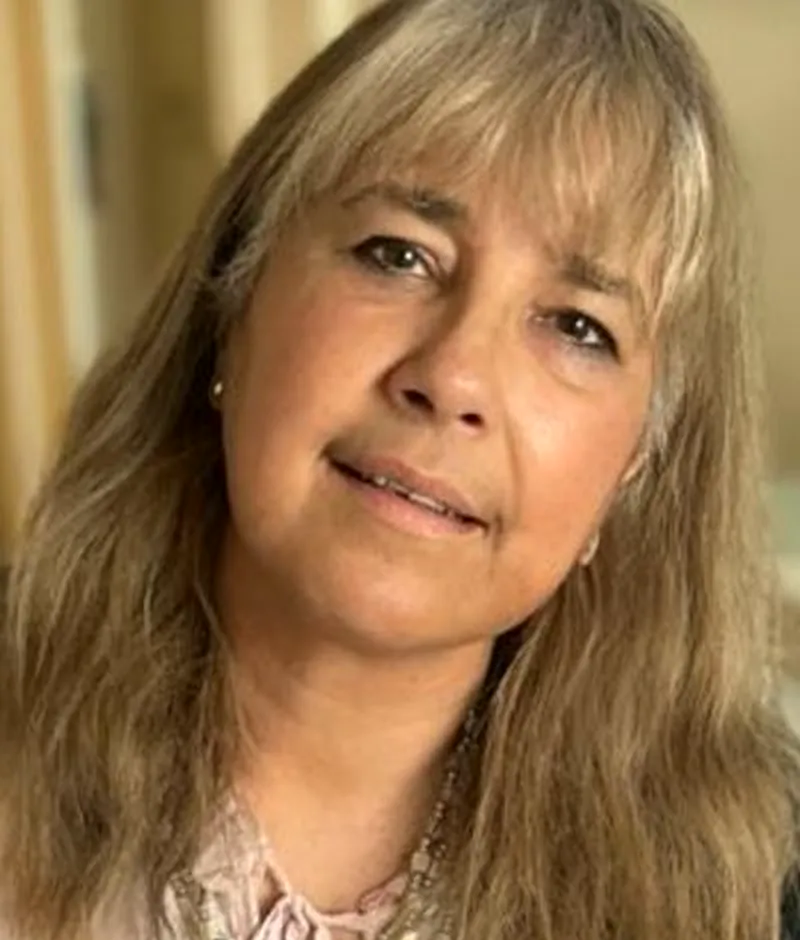
Genovieve Feasey • BACP, EMDR, CNHC
About Genovieve
A supportive space for exploration and learning
I am Genovieve Feasey. My therapeutic work is integrative, which means I draw from different ways of understanding thoughts, emotions, behaviour, relationships and the mind-body connection. In workshops, this allows us to explore a subject through more than one type of activity.
Some people connect most easily through discussion. Others may find writing, movement, mindfulness or creative reflection more useful. The aim is to create enough structure for the workshop to have a clear purpose while leaving room for individual experience.
Interested in a Future Workshop?
Ask about upcoming dates
If you would like to hear about upcoming workshops, you are welcome to contact me. Please tell me briefly which type of workshop you are interested in. You do not need to provide personal clinical information through the enquiry form.
Common Questions
Questions about workshops
Do I need to be in therapy to attend?
Each workshop states clearly who it is designed for before bookings open, including whether it is open to the general public, to professionals or to particular groups.
Will I have to talk about personal experiences?
You should not assume that attending a workshop requires disclosing private experiences to the group. Some activities may involve reflection or optional discussion, but the expectations for sharing are made clear before the session begins.
What kinds of activities might be included?
Workshops may include movement, art, role play, writing, voice work, visualisation, mentalisation and mindfulness. Individual workshops may use only some of these approaches depending on their theme.
Are workshops the same as group therapy?
Not necessarily. A therapeutic workshop can use psychological ideas and reflective exercises without being formal group psychotherapy. If a particular event is offered as group therapy, this is clearly stated before registration.
Do I need experience with mindfulness, art or movement?
Unless a particular event says otherwise, no previous experience is needed. Activities are introduced within the workshop and adapted to the purpose of the session.
Where do workshops take place?
Each workshop listing gives the exact location, accessibility information and any practical instructions before someone books.