
Dialectical Behaviour Therapy
Dialectical Behaviour Therapy in Buckinghamshire and Kent
When emotions feel intense or difficult to manage, it can be hard to know how to respond in the moment.
Dialectical Behaviour Therapy, usually called DBT, is a structured therapeutic approach that includes practical skills for understanding emotions, coping with distress, staying present and communicating more effectively. I may use DBT-informed strategies as part of my integrative work when emotional regulation, coping patterns or relationship difficulties are part of what you would like help with. The work is collaborative and shaped around your individual needs.
Professional Accreditations & Practice Standards
Professional Registration
BACP Registered
Complementary Healthcare
CNHC Registered
Clinical Client Hours
2,000+
& Confidential Practice
Fully Insured
What Is DBT?
What does Dialectical Behaviour Therapy mean?
Dialectical Behaviour Therapy is a form of psychotherapy that combines practical behaviour-change strategies with skills for awareness, acceptance and emotional regulation. The word dialectical refers to holding two ideas at the same time. In DBT, one of the central ideas is:
You can accept where you are now while also working towards change.
This can be particularly useful when you feel caught between difficult emotions and behaviours you would like to handle differently. DBT is often organised around four key areas: mindfulness, distress tolerance, emotional regulation and interpersonal effectiveness. These skills can be explored and adapted according to what you are experiencing.
Who May Find DBT Useful?
Could DBT be appropriate for me?
DBT-informed work may be useful when emotions feel intense, change quickly or become difficult to manage. You may recognise experiences such as:
- Feeling overwhelmed by strong emotions
- Finding it difficult to calm down once upset
- Reacting quickly and regretting it later
- Struggling with conflict in relationships
- Finding it hard to communicate what you need
- Feeling emotionally flooded during stressful situations
- Becoming stuck between wanting change and feeling unable to make it
- Finding distress difficult to tolerate
- Acting impulsively when emotions are high
- Struggling to identify what you are feeling
- Feeling very sensitive to rejection or criticism
These experiences can have many different causes. I do not assume that DBT is automatically the right approach simply because you recognise some of them. The first step is understanding your situation.
The Four Main DBT Skill Areas
What kinds of skills are used in DBT?
DBT is known for practical skills that can be used both inside and outside therapy.
1. Mindfulness
Paying attention to what is happening in the present moment: thoughts, emotions, physical sensations, urges and what is around you. The aim is not to stop thinking or force yourself to feel calm, but to become more aware of what is happening before automatically reacting.
2. Distress tolerance
Some situations cannot be solved immediately. These skills focus on getting through difficult moments without making the situation more harmful or complicated, by learning ways to pause, ground yourself and make space before deciding what to do next.
3. Emotional regulation
Understanding emotions more clearly and developing ways of responding to them: what triggers an emotion, how you recognise it physically, what thoughts and urges come with it, and what alternative response may be more useful. The goal is not to remove emotions. Emotions carry information.
4. Interpersonal effectiveness
Relationships can become particularly difficult when emotions are intense. These skills can help with communicating needs, setting boundaries, saying no, handling disagreement, listening more effectively and balancing your needs with the needs of others.
Acceptance and Change
Why does DBT focus on both?
One of the most useful ideas within DBT is that two things can be true at once. You can accept that something is difficult and want it to change. You can understand why you reacted a particular way and decide that you would like to respond differently in future. You can acknowledge your emotions without allowing every emotion to determine your actions.
This balance between acceptance and change can help reduce the feeling that you must either completely accept a problem or fight against it.
What Happens in a DBT-Informed Session?
What can I expect?
The work begins with understanding what you would like help with. We may identify situations where emotions become particularly difficult and look at what happens before, during and afterwards.
-
01
Step 1: What happened?
What was the situation?
-
02
Step 2: What did you notice emotionally?
What feelings came up?
-
03
Step 3: What happened physically?
Did you notice tension, shaking, heat, numbness or another response?
-
04
Step 4: What thoughts appeared?
What did the situation mean to you in that moment?
-
05
Step 5: What did you feel like doing, and what did you do?
Did you want to withdraw, argue, seek reassurance or react in another way? What happened next?
-
06
Step 6: What could help next time?
We can then identify practical strategies that may help you respond differently.
Practical Skills
Is DBT mainly about learning coping skills?
Skills are an important part of DBT. The aim is to give you practical ways to respond when emotions or situations become difficult. Depending on your needs, this might include strategies around:
- Grounding
- Pausing before responding
- Managing emotional intensity
- Identifying triggers
- Recognising urges
- Tolerating difficult feelings
- Communicating clearly
- Setting boundaries
- Managing conflict
- Making decisions when upset
- Returning attention to the present moment
The point is not to collect techniques. The aim is to identify which skills are genuinely useful for you and practise applying them in real situations.
Do I Set My Own Goals?
Will therapy focus on what matters to me?
Yes. Your goals should be shaped by what you want to work towards rather than imposed by the therapist. My role is to help you clarify those goals and explore what may help you move towards them. For example, your goal might be:
- Responding more calmly during conflict
- Understanding your emotions more clearly
- Managing anxiety in difficult situations
- Setting healthier boundaries
- Reducing impulsive reactions
- Feeling more confident expressing your needs
- Developing more useful coping strategies
Your priorities guide the work.
DBT and Trauma
Can DBT skills support trauma therapy?
DBT-informed skills can sometimes be useful within wider trauma therapy. Before working directly with difficult memories, some people benefit from developing greater awareness of their emotional responses and learning ways to manage distress. Skills around grounding, emotional regulation and distress tolerance may support that preparation.
However, DBT and trauma processing are not the same thing. For trauma-focused work, I may also draw from approaches such as:
- EMDR Therapy
- Somatic Body Psychotherapy
- Cognitive Behavioural Therapy
- Counselling and Psychotherapy
- Hypnotherapy
The combination depends on what is appropriate for you.
DBT and CBT
What is the difference between DBT and CBT?
DBT developed from behavioural and cognitive approaches, so there are similarities. Both approaches can be practical and structured. Which elements are useful depends on what you are working with.
CBT
CBT often focuses on the relationships between thoughts, feelings and behaviour. It may involve exploring beliefs, testing assumptions and changing behaviour patterns.
DBT
DBT includes behaviour-change strategies but places additional emphasis on acceptance, mindfulness, distress tolerance, emotional regulation and relationship skills.
DBT and Somatic Therapy
What if difficult emotions feel very physical?
Emotions can also show up physically. You may notice tightness, a racing heart, restlessness, shaking, numbness, feeling frozen or changes in breathing. DBT can help you build skills for recognising and managing emotional responses. Somatic psychotherapy places more direct attention on how those experiences are felt in the body. Because I work integratively, elements of both approaches may sometimes be useful.
DBT-informed individual therapy
I use DBT skills and ideas within individual therapy, as part of my wider integrative approach. This page describes DBT-informed individual work rather than a full standard DBT programme.
How Long Does DBT Take?
How many sessions might I need?
There is no standard number of sessions for DBT-informed work. The length of therapy can depend on:
- What you want help with
- How intense or longstanding the difficulties are
- Which skills you want to develop
- Whether DBT forms part of wider therapy
- What progress you make over time
Rather than setting an outcome or timeframe in advance, we can review the work as it develops.
How much does DBT-informed therapy cost?
You can find current session fees, payment options and cancellation terms on the fees page. If you are unsure which appointment applies to you, you are welcome to get in touch before booking.
Where I Work
DBT-informed therapy in Buckinghamshire and Kent
I work with clients across Buckinghamshire and Kent, and online.
 In-Person Sessions
Buckinghamshire
Sessions around High Wycombe, Marlow, Bourne End, Stokenchurch, Lane End and Cressex.
 In-Person Sessions
 Telehealth UK & Global
Online
Confidential video sessions from the comfort of your own home.
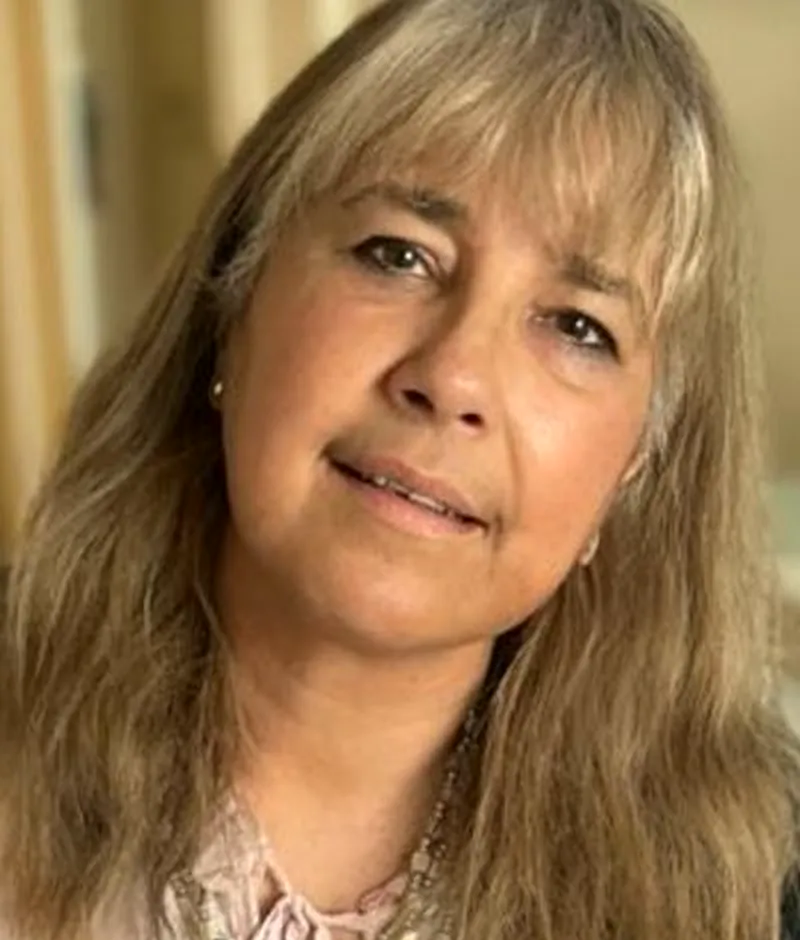
Genovieve Feasey • BACP, EMDR, CNHC
About Genovieve
DBT-informed therapy with Genovieve Feasey
I am Genovieve Feasey. I have completed more than 2,000 clinical client hours and work with adults experiencing trauma, anxiety, relationship difficulties and other emotional concerns.
I work integratively. This means I may draw from DBT skills alongside other therapeutic approaches rather than expecting every person to fit one model. Depending on your needs, our work may also include EMDR, CBT, somatic psychotherapy, hypnotherapy or counselling and psychotherapy. The goal is to create an approach that reflects what you are actually experiencing.
First Steps
Do I need to know whether DBT is right for me?
No. You do not need to choose a therapy before contacting me. You can start by telling me what is happening, what feels difficult, how it affects everyday life and what you would like to change. We can then discuss whether DBT-informed work may be useful and whether another therapeutic approach should also form part of the work.
Common Questions
Questions about DBT
What does DBT stand for?
DBT stands for Dialectical Behaviour Therapy. It is a therapeutic approach that combines behaviour-change strategies with skills around mindfulness, distress tolerance, emotional regulation and relationships. The central idea is that acceptance and change can both be important parts of therapy.
Is DBT only for borderline personality disorder?
DBT was originally developed in a particular clinical context, but DBT-informed skills may also be used more broadly. I describe DBT as a supporting method for emotional regulation within individual therapy. Whether it is appropriate depends on your individual needs.
Is DBT the same as CBT?
No, although they share some principles. CBT focuses strongly on relationships between thoughts, emotions and behaviour. DBT also includes behavioural work but places particular emphasis on acceptance, mindfulness, emotional regulation, distress tolerance and interpersonal effectiveness.
Will I learn practical coping skills?
Practical skills can form an important part of DBT-informed therapy. These may involve grounding, managing emotional intensity, recognising triggers, communicating needs and tolerating difficult situations without immediately reacting.
Do you offer full DBT or DBT-informed therapy?
I offer DBT-informed individual therapy, using DBT skills as part of my wider integrative approach. This is not a full standard DBT programme.
How many sessions will I need?
There is no fixed number. The length of therapy depends on your goals, your circumstances and whether DBT skills are being used as part of wider integrative therapy. Progress can be reviewed as the work develops.
When You Are Ready
You do not have to manage intense emotions on your own.
If strong emotions, difficult reactions or relationship patterns are affecting everyday life, you can start by telling me what is happening. We can discuss whether DBT-informed work may be useful and what other therapeutic approaches may support you.