
Couples Therapy
Couples Counselling in High Wycombe and Kent
Relationships can become difficult for many reasons.
You may feel that you keep having the same arguments, struggle to communicate without becoming defensive, feel distant from one another or be dealing with a change that has placed pressure on your relationship. Couples therapy gives you both a structured space to slow things down, understand what is happening between you and talk about the issues that may be difficult to resolve on your own. I work with couples in Buckinghamshire and Kent who want to better understand their relationship, communication and recurring patterns.
Professional Accreditations & Practice Standards
Professional Registration
BACP Registered
Complementary Healthcare
CNHC Registered
Clinical Client Hours
2,000+
& Confidential Practice
Fully Insured
What Is Couples Therapy?
What happens in relationship counselling?
Couples therapy is a form of psychotherapy focused on the relationship between two people. Rather than treating one person as the problem, we look at the patterns that have developed between you. That may include:
- How you communicate
- What happens during conflict
- How each person responds when feeling hurt or misunderstood
- Repeating disagreements
- Trust
- Emotional connection
- Expectations
- Boundaries
- Responsibilities
- Major decisions
- Changes within the relationship or family
The aim is to help both of you understand what is happening more clearly. You may discover that an argument about one issue is connected to something deeper, such as feeling unheard, rejected, criticised, unimportant or unsafe within the relationship.
Who May Couples Therapy Help?
When might it be useful to talk together?
You do not need to wait until a relationship is at breaking point before considering therapy. Couples may seek support when they are experiencing:
Repeating arguments
You may find yourselves returning to the same disagreement without reaching a resolution.
Communication difficulties
One or both of you may feel misunderstood, unheard or unable to talk without the conversation becoming tense.
Emotional distance
You may still care about each other but feel that you have become disconnected.
Loss of trust
Something may have happened that has changed the way one or both of you experience the relationship.
Infidelity
An affair or another breach of trust can create difficult questions about honesty, boundaries and the future of the relationship.
Financial pressure
Differences around money, spending, saving or responsibilities can place significant strain on a relationship.
Parenting and family pressures
Children, co-parenting, family expectations and different parenting styles can create conflict.
Major life changes
Marriage, separation, bereavement, relocation, career changes, health concerns or other transitions can affect the way a couple relates.
Differences in expectations
Partners may have different expectations around intimacy, family, work, responsibilities, culture or the future.
You do not need to agree on exactly what the problem is before coming to therapy. That disagreement may itself be part of what we need to understand.
Communication
Why do we keep having the same argument?
Many couples are not arguing only about the subject that appears on the surface. A disagreement about housework, money, time, family or communication may become connected with deeper feelings. One person may feel:
- Ignored
- Criticised
- Controlled
- Rejected
- Taken for granted
- Not listened to
The other person may feel:
- Blamed
- Pressured
- Misunderstood
- Unable to do anything right
- Shut out
- Constantly defensive
When this happens repeatedly, both people can begin reacting to the pattern rather than the original issue. In therapy, we can slow the interaction down and look at what is happening for each of you. The goal is not to decide who wins the argument. It is to understand the cycle you have both become caught in.
Conflict
Can therapy help us handle disagreements differently?
Conflict is not automatically a sign that a relationship has failed. What often matters is how conflict happens and what follows afterwards. We may explore:
- What tends to trigger arguments
- What each of you does when upset
- Whether one person pursues while the other withdraws
- What makes conversations escalate
- Which topics are difficult to discuss
- What each person is trying to communicate underneath the argument
- How you repair things after conflict
- What needs to change for conversations to feel more constructive
Therapy provides space to examine these patterns without turning the session into another argument.
Trust & Infidelity
What if trust has been damaged?
A loss of trust can change the way a relationship feels very quickly. One person may want answers and reassurance. The other may feel defensive, ashamed, overwhelmed or uncertain about what to say. There may also be questions about whether the relationship can continue and what would need to happen for either person to feel differently.
Therapy can provide space for these conversations to take place more carefully. I will not decide whether you should stay together or separate. Those decisions belong to you. My role is to help you communicate more clearly, understand what has happened within the relationship and explore what each of you needs moving forward.
What Happens in a Session?
What should we expect from couples therapy?
The first stage is about understanding why you have come. I will want to hear from both of you. We may explore:
- What brought you to therapy
- What each of you believes the main difficulties are
- How long the problems have been present
- What happens when you disagree
- What you would each like to be different
- What is currently working within the relationship
- What you are hoping therapy may help you understand
Couples therapy should not become a courtroom. I am not there to decide which partner is right. Instead, I help you look at the relationship as a system and understand the patterns you are both contributing to.
Both Voices Matter
Will you take one person’s side?
My role is not to choose a winner. Both people need room to speak and be heard. That does not mean every behaviour or decision must be treated as equivalent. It means the therapeutic process needs to understand each person’s experience while maintaining clear professional boundaries.
There may be times when I challenge something that is being said or draw attention to a pattern that appears to be damaging communication. The aim is to do that fairly and constructively.
My Approach
How does Genovieve work with couples?
My approach is integrative. I draw from different perspectives so that we can look at relationship patterns from more than one angle. For example, we may explore:
Earlier relationship experiences
Past relationships and early experiences can influence what we expect from closeness, conflict and trust.
Current patterns
We look at what happens between you now rather than focusing only on the past.
Practical changes
Some problems also require specific changes in communication, boundaries or behaviour.
Each person’s experience
Both partners bring their own history, needs and perspective into the relationship.
Is Couples Therapy Only About Staying Together?
Do we need to know what we want before coming?
You may come to therapy knowing that you want to improve your relationship. You may also be uncertain. Couples therapy can address issues connected with marriage, divorce, cohabitation, children, infidelity and other relationship pressures.
You do not have to pretend that everything is fine or arrive with the same goal. The first step can simply be understanding where each of you is. Therapy can provide space for clearer conversations about the relationship and what each person wants next.
Relationships & Differences
What if our backgrounds or expectations are different?
Couples can bring different experiences and expectations into a relationship. These may relate to:
- Family background
- Culture
- Age
- Gender
- Roles within the relationship
- Money
- Parenting
- Communication
- Intimacy
- Career
- Religion or personal values
- Expectations about commitment
Differences are not automatically problems. Difficulties often arise when important differences cannot be discussed openly or when each person begins to feel that the other does not understand them. Therapy gives us space to explore those differences without assuming one person’s perspective is the correct one.
Couples Therapy & Individual Therapy
Is relationship counselling different from individual therapy?
Yes. Individual therapy focuses primarily on one person’s experiences, emotions and therapeutic goals. Couples therapy focuses on the relationship between two people. That means we are paying particular attention to patterns of interaction, communication, conflict, expectations, emotional connection, shared decisions and the effect each person’s responses have on the other.
If one partner also needs individual therapeutic support, that should be considered separately from the couples work.
How Long Does Couples Therapy Take?
How many sessions will we need?
There is no responsible way to promise a fixed number of couples therapy sessions before understanding your relationship and what you want help with. Some couples may come with a clearly defined issue. Others may be dealing with difficulties that have developed over many years. The length of the work may depend on:
- The issues you want to address
- How long they have been present
- Whether both partners are able to participate
- The goals you have for therapy
- What develops during the work
We can review progress together rather than setting an outcome or timeframe in advance.
Couples Therapy Cost
How much does couples counselling cost?
Couples / Family Therapy
£95 per session
Where I Work
Couples counselling in High Wycombe and Kent
I work with clients across Buckinghamshire and Kent, and online.
 In-Person Sessions
Buckinghamshire
Sessions around High Wycombe, Marlow, Bourne End, Stokenchurch, Lane End and Cressex.
 In-Person Sessions
 Telehealth UK & Global
Online
Confidential video sessions from the comfort of your own home.
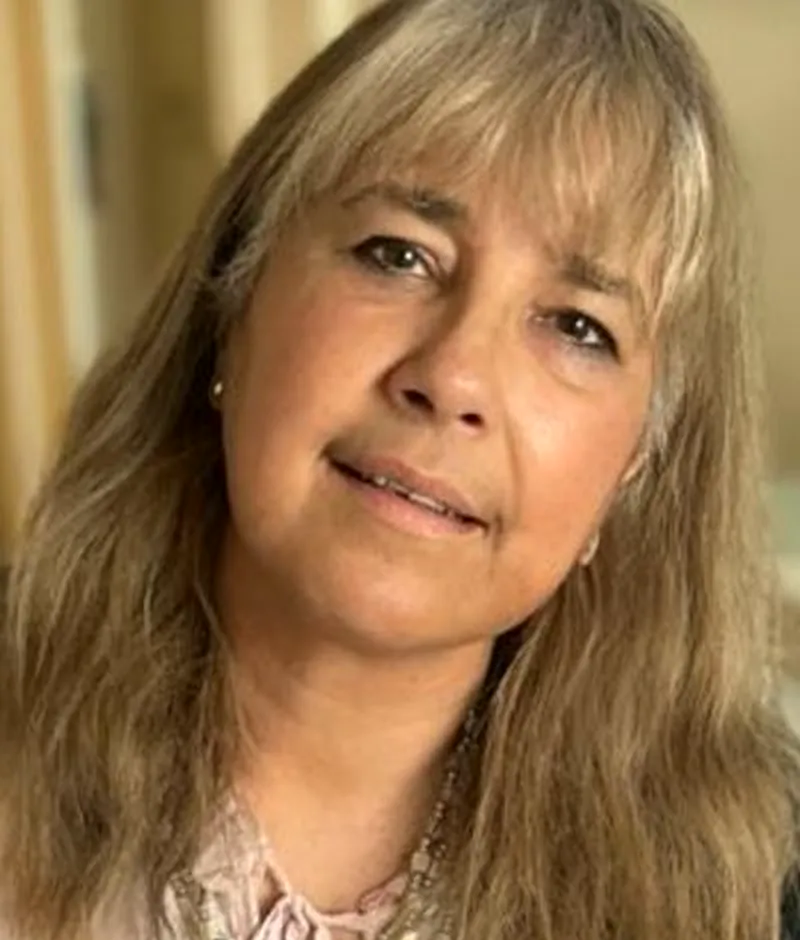
Genovieve Feasey • BACP, EMDR, CNHC
About Genovieve
Couples therapy with Genovieve Feasey
I am Genovieve Feasey. I have completed more than 2,000 clinical client hours working with individuals, couples and families. My approach is direct, supportive and non-judgemental.
When working with a couple, my focus is not on deciding who is right. It is on helping both people understand what is happening between them, communicate more clearly and identify what they would like to change.
First Steps
What happens when we contact you?
You do not need to write a detailed history in an online form. A short message is enough to begin. Tell me:
- That you are looking for couples therapy
- Your names
- Your preferred contact details
- A brief sentence about what you would like help with
We can then discuss the next step.
Common Questions
Questions about couples therapy
Do both partners need to attend couples therapy?
Couples therapy is focused on the relationship, so the work is generally designed around both partners participating. If you are unsure how the first appointment works, ask when you get in touch.
Will the therapist decide who is right?
No. Couples therapy is not designed to determine a winner. The work focuses on understanding the relationship patterns, communication and experiences of both people. Genovieve may challenge behaviours or assumptions where appropriate, but the aim is understanding and constructive change rather than assigning blame.
Can couples therapy help with communication?
Communication difficulties are one of the areas covered by couples therapy. Sessions can explore what happens when you try to communicate, why conversations escalate or shut down and how each person’s responses affect the other.
Can we come to therapy after infidelity?
Infidelity is one of the relationship difficulties couples bring to therapy. Therapy can provide a structured place to discuss what has happened, its impact on both partners, questions about trust and what each person wants moving forward.
Does coming to couples therapy mean we have to stay together?
The therapist should not decide whether a couple stays together. Couples therapy also recognises relationship issues involving marriage and divorce. Therapy can provide space to understand the relationship and communicate more clearly while the decisions remain with the couple.
How much does couples therapy cost?
The listed fee for couples and family therapy is £95 per session. See the fees page for payment options and cancellation terms.
When You Are Ready
You do not need to solve everything before asking for support.
If communication, trust, conflict or distance is affecting your relationship, you can start with a conversation. You do not need to agree on everything before getting in touch. We can begin by understanding what each of you is experiencing and what you would like help with.